Source Bell Crown Woolen Cap for Beer, Water, Juice
Find 30 listings for the bell crown woolen cap suitable for bottles, beer, water, and juice. Buyers can compare metal types, customization options, and liner materials from suppliers in China.
Key considerations
Products List


Comprehensive Sourcing Guide
Bell Crown Woolen Cap Sourcing Guide
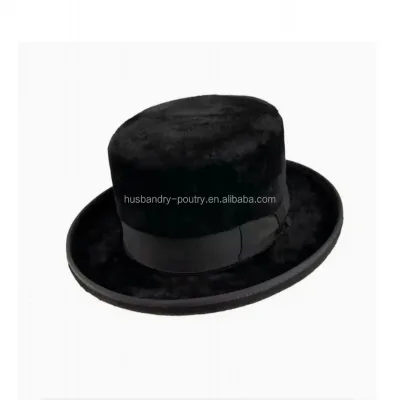
Sourcing bell crown woolen caps requires a nuanced understanding of the intersection between traditional headwear aesthetics and modern manufacturing capabilities. These caps are characterized by their distinctive rounded, dome-like silhouette that tapers toward the top, often featuring a structured crown and a brim that provides both functional sun protection and a retro stylistic appeal. Buyers must navigate a market where materials range from pure wool blends to synthetic alternatives, each offering different levels of breathability, durability, and price points. The term "bell crown" specifically refers to the shape, which is distinct from flat caps or baseball caps, and sourcing guides must account for the specific molding and blocking processes required to maintain this shape over time.
The procurement landscape for these items is diverse, with suppliers offering extensive customization options including color, logo placement, and liner materials. Buyers should recognize that while the core design remains consistent, the execution varies significantly based on the supplier’s expertise in wool processing and hat blocking. It is crucial to distinguish between mass-produced fashion items and higher-quality, heritage-style caps that may require more rigorous quality control. This guide provides a structured approach to evaluating suppliers, verifying technical specifications, and ensuring that the final product meets both aesthetic and functional requirements for your target market.
Product Scope and Observed Listing Signals
The observed market signals indicate a wide variance in product attributes, ranging from metal bottle caps to woolen felt hats, which highlights the importance of precise keyword filtering. While some listings reference "26mm crown caps" made of tinplate for beverage bottles, the core keyword "bell crown woolen cap" points specifically to apparel headwear. Buyers must carefully distinguish between these unrelated categories to avoid procurement errors. The relevant listings for woolen caps often mention materials such as wool felt, with standard sizes ranging from 55cm to 61cm in circumference, and features like adjustable straps or fixed fits. Understanding this distinction is the first step in narrowing down the supplier pool to those who specialize in textile headwear rather than industrial packaging.
Further analysis of listing signals reveals that many suppliers offer customization in color, pattern, and logo application, with options for plain dyed, checked, or embroidered designs. Attributes such as "sun protection," "lightweight," and "breathable" are common selling points, suggesting that buyers should prioritize suppliers who provide detailed material composition data. The presence of terms like "OEM" and "customized accept" indicates that many manufacturers are equipped to handle private label orders. However, buyers must verify that the supplier’s actual capabilities align with these claims, particularly regarding the specific "bell crown" shape, as some suppliers may default to standard flat or peaked cap molds if not explicitly specified.
Technical Specifications to Verify
Verifying the technical specifications of bell crown woolen caps begins with confirming the material composition and liner type. Buyers should request detailed fabric specifications, including the percentage of wool, polyester, or acrylic blends, as these directly impact the cap’s warmth, shape retention, and cost. The liner material is equally critical; common options include PVC, PE, or cotton, each offering different levels of comfort and moisture management. Additionally, the crown structure should be examined to ensure it maintains the characteristic bell shape without collapsing. Suppliers should provide samples that demonstrate the stiffness and resilience of the crown, as well as the quality of the stitching and seam finishes.
Size and fit are paramount in headwear procurement, and buyers must verify the sizing standards used by the supplier. Standard head circumferences typically range from 55cm to 61cm, with some suppliers offering adjustable features such as strapbacks or elastic inserts. It is essential to confirm whether the sizing is based on international standards or local measurements, as discrepancies can lead to fit issues for end consumers. Buyers should also inquire about the brim width and curvature, as these affect both the aesthetic appeal and the functional sun protection provided by the cap. Clear communication of these specifications in the purchase order is necessary to avoid production errors.
Compliance and Safety Documentation
Compliance and safety documentation are critical for ensuring that woolen caps meet the regulatory requirements of the target market. Buyers must verify that the materials used, particularly the dyes and finishes, comply with relevant chemical safety standards, such as REACH in Europe or CPSIA in the United States. This includes checking for restrictions on azo dyes, heavy metals, and other hazardous substances that may be present in the wool or synthetic blends. Suppliers should provide test reports from accredited laboratories to confirm that their products meet these chemical safety requirements, ensuring that the caps are safe for consumer use.
In addition to chemical safety, buyers should assess the flammability and physical safety of the caps, especially if they are marketed for outdoor or sports use. While wool is naturally flame-resistant, synthetic blends may require additional treatments to meet flammability standards. Buyers should also verify that any decorative elements, such as embroidery or patches, are securely attached to prevent choking hazards, particularly for products intended for younger demographics. Clear labeling and care instructions are also part of compliance, ensuring that consumers can maintain the cap’s quality and longevity.
Cost Drivers and Commercial Terms
The cost of bell crown woolen caps is influenced by several key factors, including material quality, customization complexity, and order volume. High-quality wool blends and natural fiber liners typically command higher prices than synthetic alternatives, while intricate embroidery or custom dyeing processes can add significant labor costs. Buyers should request detailed cost breakdowns to understand how these factors impact the final price. Additionally, the MOQ (Minimum Order Quantity) plays a crucial role in pricing, with larger orders often benefiting from economies of scale. Understanding these cost drivers allows buyers to negotiate more effectively and align their procurement strategy with their budget constraints.
Commercial terms such as payment methods, shipping arrangements, and lead times are also critical components of the procurement process. Buyers should clarify the Incoterms used by the supplier, such as FOB or EXW, to determine who is responsible for shipping and insurance costs. Lead times can vary significantly based on the complexity of the order and the supplier’s current production schedule, so it is essential to establish clear timelines for sampling, production, and delivery. Buyers should also inquire about the supplier’s policy on sample costs and whether they are refundable upon placing a bulk order, as this can impact the overall cost of the procurement process.
Supplier Qualification and Quality Control
Supplier qualification is a vital step in ensuring the reliability and consistency of bell crown woolen cap production. Buyers should conduct thorough due diligence on potential suppliers, including verifying their business licenses, production capacity, and past performance. Site visits or third-party audits can provide valuable insights into the supplier’s manufacturing processes, quality control systems, and working conditions. Buyers should also request references from previous clients to gauge the supplier’s reliability and responsiveness. A qualified supplier should demonstrate a commitment to quality and transparency, providing clear documentation and communication throughout the procurement process.
Quality control measures should be established early in the procurement process to ensure that the final product meets the agreed-upon specifications. Buyers should define clear quality standards, including acceptable levels of stitching defects, color consistency, and dimensional accuracy. Regular inspections during production and before shipment can help identify and address issues before they become costly problems. Buyers should also consider implementing a sampling process, where pre-production samples are reviewed and approved before bulk production begins. This proactive approach to quality control helps minimize the risk of receiving substandard products and ensures customer satisfaction.
Long-Term Procurement Checks
Long-term procurement checks involve continuous monitoring and evaluation of supplier performance to ensure sustained quality and reliability. Buyers should establish key performance indicators (KPIs) such as on-time delivery rates, defect rates, and responsiveness to issues. Regular reviews of these metrics can help identify trends and areas for improvement, allowing buyers to address potential problems before they escalate. Building a strong relationship with the supplier through open communication and collaborative problem-solving can also enhance long-term partnership value. Buyers should remain flexible and adaptable, adjusting their procurement strategies as market conditions and supplier capabilities evolve.
Sustainability and ethical sourcing are increasingly important considerations in long-term procurement. Buyers should assess the supplier’s commitment to environmental and social responsibility, including their practices regarding waste reduction, energy efficiency, and fair labor standards. Certifications such as GOTS (Global Organic Textile Standard) or SA8000 can provide assurance that the supplier adheres to high ethical and environmental standards. By prioritizing sustainable and ethical sourcing, buyers can not only mitigate risks but also enhance their brand reputation and appeal to environmentally conscious consumers. Continuous improvement and adaptation are key to maintaining a competitive edge in the long run.
FAQs
What materials are used for bell crown woolen caps?
These caps are constructed using metal components like tinplate for the crown structure, while the felt topper is made from wool felt. The liner typically combines PVC and PE materials to ensure a secure fit and prevent spills when used on bottles.
Can I customize the color of the felt top hat?
Yes, customization is available for the color of the felt top hat. Buyers can request specific colors such as yellow, red, orange, green, gray, brown, blue, or black to match their brand requirements or seasonal trends.
What is the standard size for these crown caps?
The standard size for the crown caps is 26mm, which fits bottles, beer, water, juice, and soft drinks. Additionally, the felt topper hats are available in standard sizes ranging from 55 to 61 cm to accommodate different head circumferences.
How are the products packed for shipment?
The products are packed in cartons with specific quantities per carton. For example, some items are packed at 10,000 pieces per carton, while others like the felt topper hats are packed at 200 pieces per carton for efficient logistics.
What features do the woolen caps offer for users?
The caps offer special features including sun protection, lightweight design, breathability, and adjustability. They are suitable for adults of any gender and are designed with a retro style, often featuring a plain dyed pattern or flat embroidery.
Where are these products manufactured and shipped from?
These products originate from China, with specific manufacturing locations noted in Fujian. The shipping process involves express services like DHL, TNT, and UPS, with a typical sample time of 7 days and a shipping time of 45 days.
Is logo customization accepted for these caps?
Yes, customized logos are accepted for these caps. Buyers can request specific branding on the felt topper hats or crown caps, ensuring the final product aligns with their corporate identity or marketing campaigns.